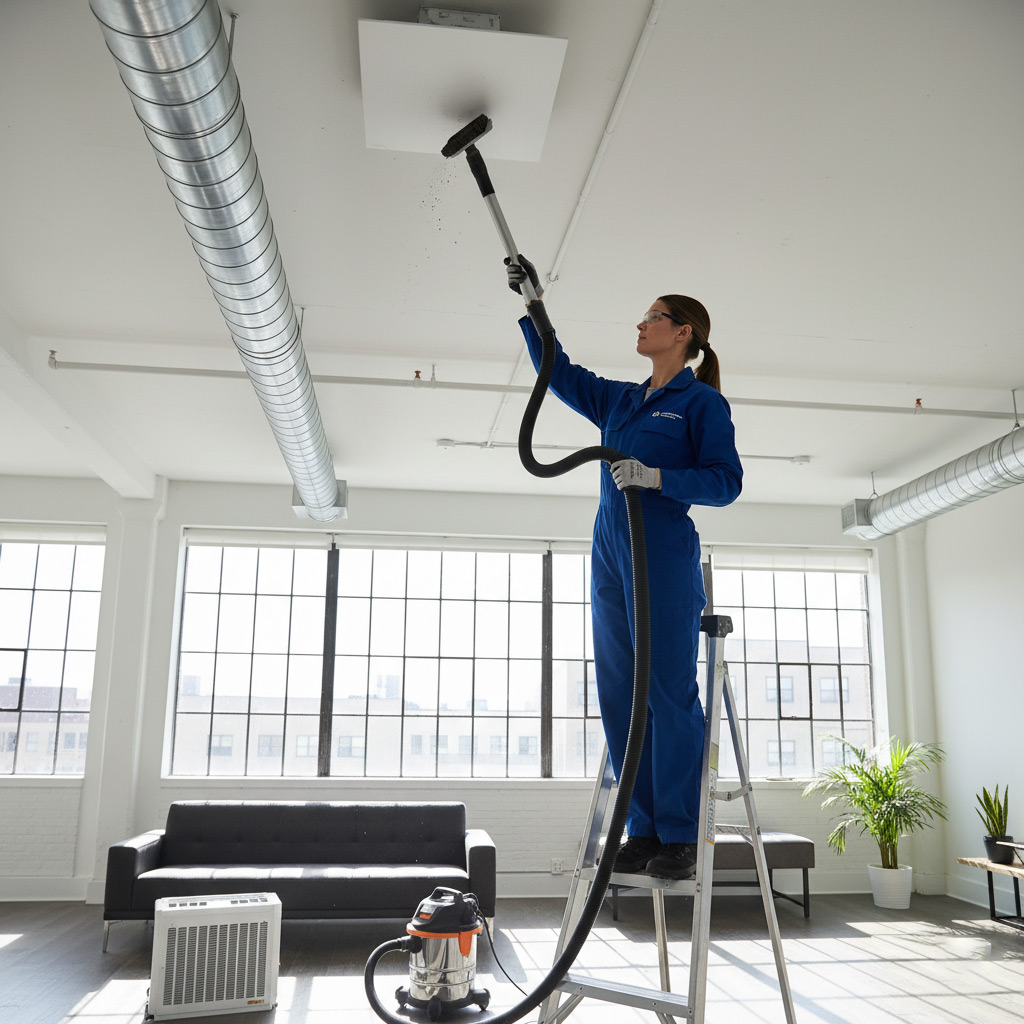
Stop flushing money down the drain on premature HVAC replacement. The truth is, that high-tech system handling the brutal Irvine sun is engineered to last 15 years, yet we constantly see perfectly good units crash and burn at the 10-year mark.
That five-year gap isn't bad luck—it's poor strategy. When your air conditioning fails during a July heatwave, the stress, discomfort, and emergency costs are enough to ruin your entire month.
We’re the Irvine pros who see the inside of these machines every single day, and we know exactly which habits doom a system and which tactics guarantee maximum return on your investment. We boiled down decades of crucial, real-world experience into three practical, actionable steps.
These aren't the generic tips you read elsewhere; these are the "longevity hacks" that ensure your home stays cool and your cash stays in your bank account. Let’s dive into the three simple secrets your HVAC technician wishes you already knew.
Understanding Your HVAC System: The Foundation of Longevity in Irvine Homes
You probably think of your HVAC system as one big box that blows cold air. It's actually a highly pressurized, mechanical ecosystem. In Orange County, this system battles brutal forces: 90-degree days, fluctuating humidity, and sometimes even the salt residue drifting in from the coast.
Ignoring this fact is like buying a top-tier German car and never changing the oil. Most system failures aren't sudden breakdowns; they are slow, grinding decays of key internal components. Understanding what these moving parts are is the first essential step toward saving thousands in emergency repairs down the line.
The 3 Critical Stress Zones of Your AC Unit
When we talk about longevity, we are focused on the parts that do the heavy lifting—and the parts that are most expensive to replace. These are the engines of your comfort, and neglect here causes catastrophic failure:
- The Compressor: This is the heart of the system. If it dies, the entire unit often needs replacement. Keeping refrigerant levels perfect and reducing operational strain is absolutely vital for its survival.
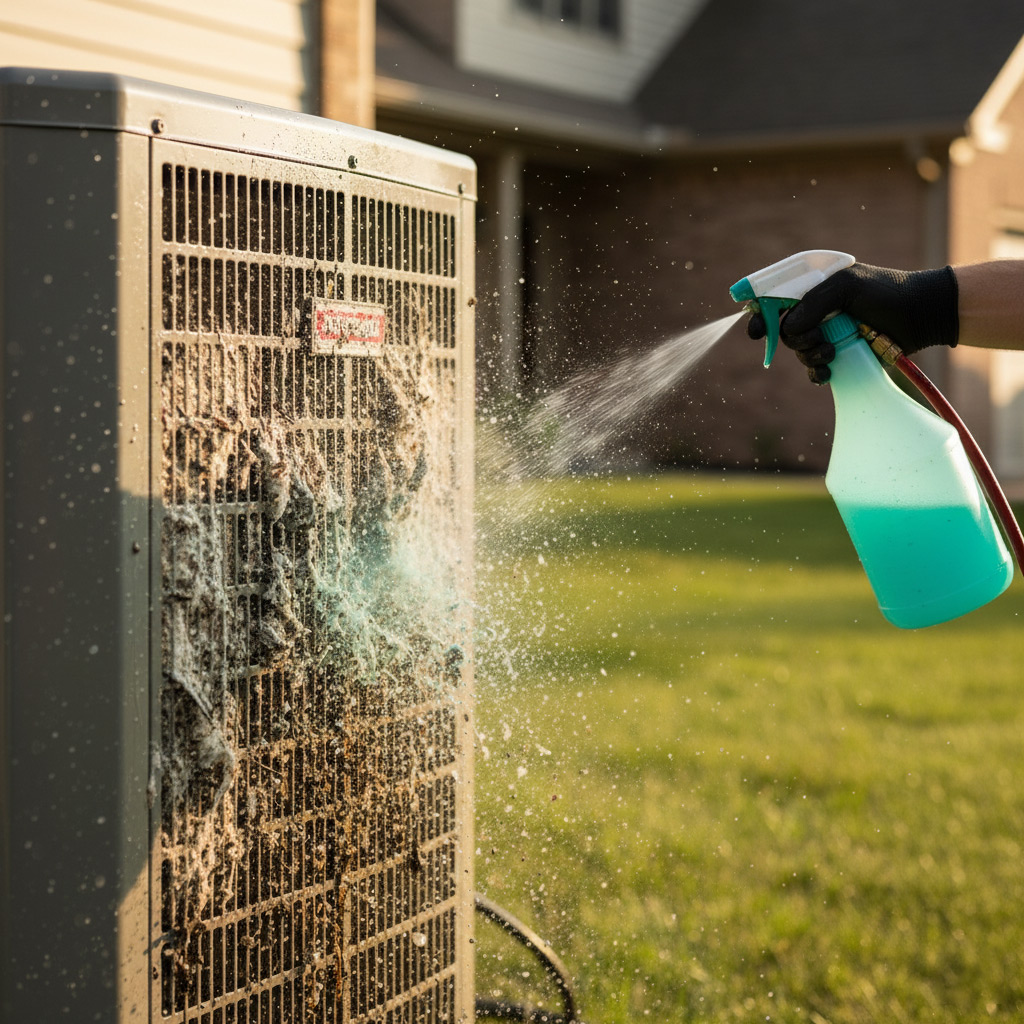
- The Condenser Coil: Located outside, this coil rejects heat from your home. If it’s coated in dirt or debris, the compressor has to work twice as hard, leading directly to premature wear and burnout.
- The Blower Motor: This motor moves conditioned air through your ducts. A struggling motor uses excessive power and can burn out quickly if airflow is restricted by a filthy filter or clogged vents.
The core principle we preach to every Irvine homeowner is simple: reduced stress equals maximum lifespan. Everything we teach in these "longevity hacks" is centered on minimizing the physical load on these expensive, non-replaceable parts. You aren't paying for a simple cleaning; you are paying to prevent the $4,000 cost of a new compressor five years too early. That’s the real return on investment.
The Invisible Enemy: How Dust and Debris Rob Your HVAC of Years
Think of your HVAC system as the lungs of your Irvine home. Just like our own bodies, they need clean air to function at their best and last as long as possible. Unfortunately, dust, dirt, and other airborne particles are the silent saboteurs that clog up this vital system, silently chipping away at its lifespan.
These tiny invaders don't just make your air quality suffer; they wage war on your HVAC's internal components. Dust buildup acts like a thick blanket, insulating vital parts and forcing them to work harder than they should. This added strain is a direct highway to premature wear and tear.
Consider the condenser coils, the unsung heroes responsible for releasing heat. When they're coated in a thick layer of grime, their ability to dissipate heat is severely compromised. This means your system constantly battles to keep up, burning more energy and shortening its operational life. It's like asking an athlete to run a marathon with weights tied to their ankles – eventually, something's going to give.
Even the blower motor, the powerhouse that circulates conditioned air throughout your Irvine residence, isn't immune. Grit and dust can work their way into its delicate mechanics, causing friction and eventual failure. Regular cleaning isn't just about aesthetics; it's about **preserving the core functionality** of your entire HVAC setup.
Here's a quick rundown of what's happening under the hood:
- Reduced Airflow: Clogged filters and ducts restrict the amount of air moving through your system, making it gasp for breath.
- Overheating Components: As we mentioned, that insulating layer of dust forces parts to run hotter than designed, leading to stress fractures and electrical issues.
- Increased Energy Consumption: A struggling system gulps down more power, jacking up your utility bills. It’s a lose-lose situation!
- Strain on the Compressor: This is the heart of your AC system. When it's working overtime due to inefficiencies, its lifespan shrinks considerably.
Ignoring the dust is like ignoring a leaky faucet – it might seem minor now, but it will eventually lead to bigger, more expensive problems. For a home in the sunny, sometimes dusty climate of Irvine, this is a consistent battle you need to be prepared for.
The Power of Prevention: Scheduled Tune-Ups by Irvine's HVAC Experts
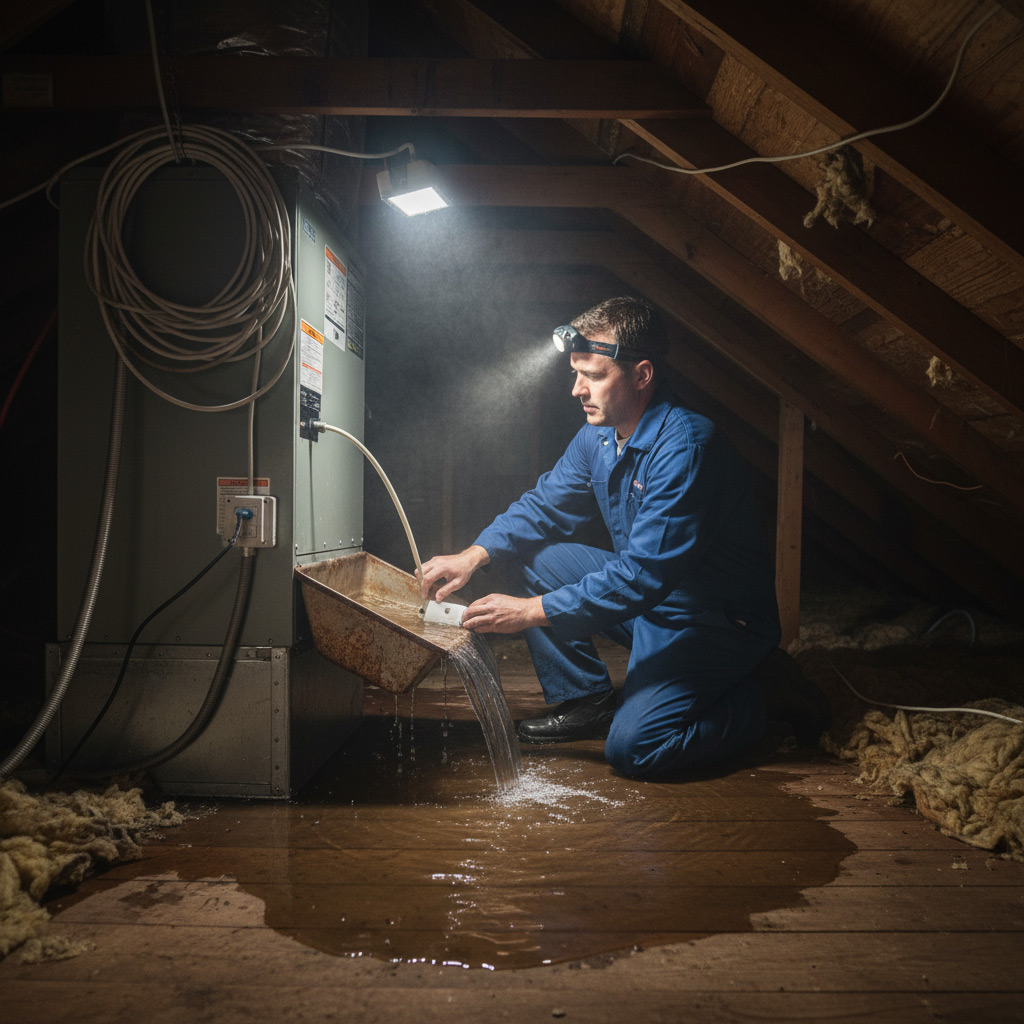
Think of your HVAC system like a high-performance car. You wouldn't just drive it until it breaks down, would you? Of course not. Regular oil changes, tire rotations, and engine checks are what keep that car running smoothly for miles and miles. Your HVAC system deserves the same respect.Regularly scheduled tune-ups, performed by our seasoned Irvine HVAC professionals, are the absolute bedrock of a long-lasting and reliable system. These aren't just quick glances; they're comprehensive inspections designed to catch potential problems *before* they become expensive headaches. We're talking about tuning up your system like a finely tuned instrument, ensuring every part is working in harmony.
During these vital appointments, our technicians go beyond the obvious. They'll:
- Thoroughly clean and inspect internal components, from the blower motor to the evaporator coils, removing any build-up that hinders performance.
- Check refrigerant levels and pressures – a crucial factor for both cooling and heating effectiveness. Low refrigerant can signal a leak, which, if ignored, can severely damage your compressor.
- Test electrical connections and tighten any loose ones, preventing short circuits and potential fire hazards.
- Calibrate your thermostat to ensure accurate temperature readings and optimal energy use.
- Lubricate moving parts, reducing wear and tear and keeping things running whisper-quiet.
These tune-ups are your proactive shield against premature wear and tear. It's the *difference* between simply reacting to breakdowns and actively preventing them. For homeowners in Irvine, this means fewer surprise repair bills and a consistently comfortable home, no matter the season.
Beyond the Filter: Essential DIY Checks for Homeowners in Orange County
While Irvine's HVAC pros are your best bet for deep-dive maintenance, there are a few simple checks you can do yourself to keep your system humming along. Think of these as your system's regular wellness checks. These aren't complex repairs; they're just smart habits that add years to your HVAC's life.
First up, the humble air filter. It’s the *unsung hero* of your home comfort. A clogged filter doesn't just make your system work harder, it can lead to serious internal damage and poor air quality.
Here’s what to do:
- Check your filter monthly. Seriously, put it on your calendar.
- Note the type of filter you have. Some are washable, others need replacing.
- Make sure it's installed correctly. Arrows should point in the direction of airflow.
Next, give your outdoor unit some attention. This is the part that battles the elements. We’re talking dust, leaves, and general yard debris.
Here’s the quick rundown for your condenser unit:
- Keep the area clear. Trim back any plants or shrubs that are growing too close. A minimum of 2 feet of clearance is ideal.
- Gently clear debris. Use a soft brush or a vacuum cleaner with a brush attachment to remove any leaves or twigs that have collected on the fins. Avoid high-pressure water, as it can bend those delicate fins.
- Listen for odd noises. Any grinding, squealing, or unusual thumping should be a flag to call a professional.
Finally, let's talk about your vents and registers. These are the *direct pathways* for your conditioned air. If they're blocked, your system can't distribute air effectively.
Simple steps:
- Ensure furniture isn't obstructing them. Sofas, chairs, or even rugs can block airflow.
- Keep them clean. A quick dusting of the grilles makes a difference.

Case Study: Revitalizing a Decades-Old System in a Vintage Irvine Residence
Down in the heart of historic Irvine, a charming Spanish-style villa was showing its age, and not just in its terracotta tiles. The original HVAC system, installed sometime in the late 70s, was chugging along, but barely. The homeowners, a lovely couple who adored their home's vintage character, were facing soaring energy bills and inconsistent temperatures – a far cry from the comfort they craved.
This wasn't a situation for a simple filter change. This called for a deep dive, a true diagnostic. Our Irvine HVAC pros rolled up their sleeves and got to work, meticulously inspecting every inch of the aging unit. They discovered significant dust buildup within the ductwork, a worn-out blower motor, and refrigerant levels that were dangerously low. It was a testament to the system's resilience, but it was clearly on its last legs.
After a thorough assessment and a frank discussion about the system's remaining lifespan and potential repair costs versus replacement, the decision was made. We didn't just patch it up; we performed a comprehensive overhaul. This included a deep duct cleaning, replacing the aged blower motor with a modern, quieter, and more energy-sipping model, and a complete refrigerant recharge. The result? The old villa now breathes easy, maintaining perfect comfort year-round without the crippling energy spikes. It's proof that with the right expertise, even a veteran system can get a new lease on life, preserving the home's original integrity.
The Right Choice: When to Repair and When to Replace for Optimal System Lifespan
Deciding whether to fix a sputtering air conditioner or bite the bullet and buy a new one isn't just about immediate cost. It's about making a smart, long-term decision that impacts your comfort and your wallet for years to come. Think of it like a beloved old car – sometimes a new transmission is worth it, other times you're just pouring money into a black hole.
Here's the lowdown on how Irvine pros suss this out:
Repair vs. Replace: The Age Factor
- Age is a Big Deal: If your system is pushing 15 years or more, even a minor repair might just be delaying the inevitable. Newer systems are far more efficient and less prone to breakdowns.
- Frequent Flops: Are you calling for help more than once a year? That's a red flag waving in the Irvine heat. Constant repairs signal a system on its last legs.
The Cost Equation: Short-Term vs. Long-Term
Don't get blinded by the repair bill. A $500 repair on a 15-year-old unit might seem okay now, but it could be a $500 down payment on a new system that you'll still need soon anyway. We always look at the cost of repairs versus the cost of a new, energy-efficient system over its lifespan. Sometimes, the "expensive" option is the cheaper one in the long run.
Consider this:
- Energy Savings: A new HVAC system can slash your electricity bills, especially with those brutal Irvine summers. Those savings add up fast and can offset the upfront cost of replacement.
- Warranty & Peace of Mind: New systems come with warranties. That means no surprise repair bills for a good long while. That's huge for budget predictability.
Final Words: Investing in Your HVAC's Future for Comfort and Savings.
Look, nobody enjoys spending money on their HVAC. We get it. But here's the truth your wallet will thank you for: treating your system like a disposable appliance is a fast track to expensive surprises. Think of it like this – a little proactive care now saves you a whole lot of headache (and cash) down the road. It’s not just about avoiding breakdowns; it’s about ensuring your Irvine home stays a haven of perfect temperatures, year-round, without draining your bank account on sky-high energy bills.
Regular attention, like the kind our Irvine HVAC pros provide through scheduled tune-ups, is your secret weapon against premature aging of your equipment. We're talking about catching small issues before they snowball into major disasters. This isn't rocket science; it's smart homeownership. Investing in professional HVAC maintenance means you're investing in peace of mind, consistent comfort, and a system that performs at its best for as long as humanly possible. Don't wait for the heatwave or the cold snap to force your hand. Give your HVAC the attention it deserves.
When you prioritize the longevity of your HVAC system through consistent checks and upkeep, you're not just buying yourself more years of functionality. You're also directly impacting your home's energy usage. A well-maintained system runs smoother, uses less power, and ultimately translates to noticeable savings on your monthly utility bills. It's a win-win scenario that pays dividends in comfort and affordability. Consider it a down payment on a cooler summer and a warmer winter.
People Also Ask
What are the most important HVAC maintenance tasks for a home in Irvine?
Regularly changing your air filter is paramount, alongside scheduling annual professional tune-ups. These two steps are foundational to ensuring your Irvine HVAC system operates efficiently and lasts longer.How often should an HVAC system in Southern California be professionally serviced?
For optimal performance and longevity in Southern California's climate, it's recommended to have your HVAC system professionally serviced at least once a year. Spring is ideal for cooling systems, and fall for heating systems.Can I perform some HVAC maintenance myself, or should I always call a professional in Irvine?
Homeowners in Irvine can perform essential DIY checks like filter changes and visual inspections of outdoor units. However, complex tasks requiring technical expertise and specialized tools should always be handled by a certified HVAC professional to prevent damage.What are the signs that my Irvine HVAC system is nearing the end of its lifespan?
Look for increasingly frequent breakdowns, rising energy bills, uneven heating or cooling throughout your home, and unusual noises. These are common indicators that your system may be nearing replacement.
Irvine HVAC is your trusted local partner for all home comfort needs in Irvine, CA. With years of dedicated experience serving the community, our skilled technicians provide reliable and efficient HVAC solutions. We are committed to ensuring your home stays comfortable year-round.
Need HVAC?
We facilitate swift outcomes and efficient project completion for clients throughout Irvine and surrounding communities (92602, 92612, 92618, 92780, 92660).
Instant Quote