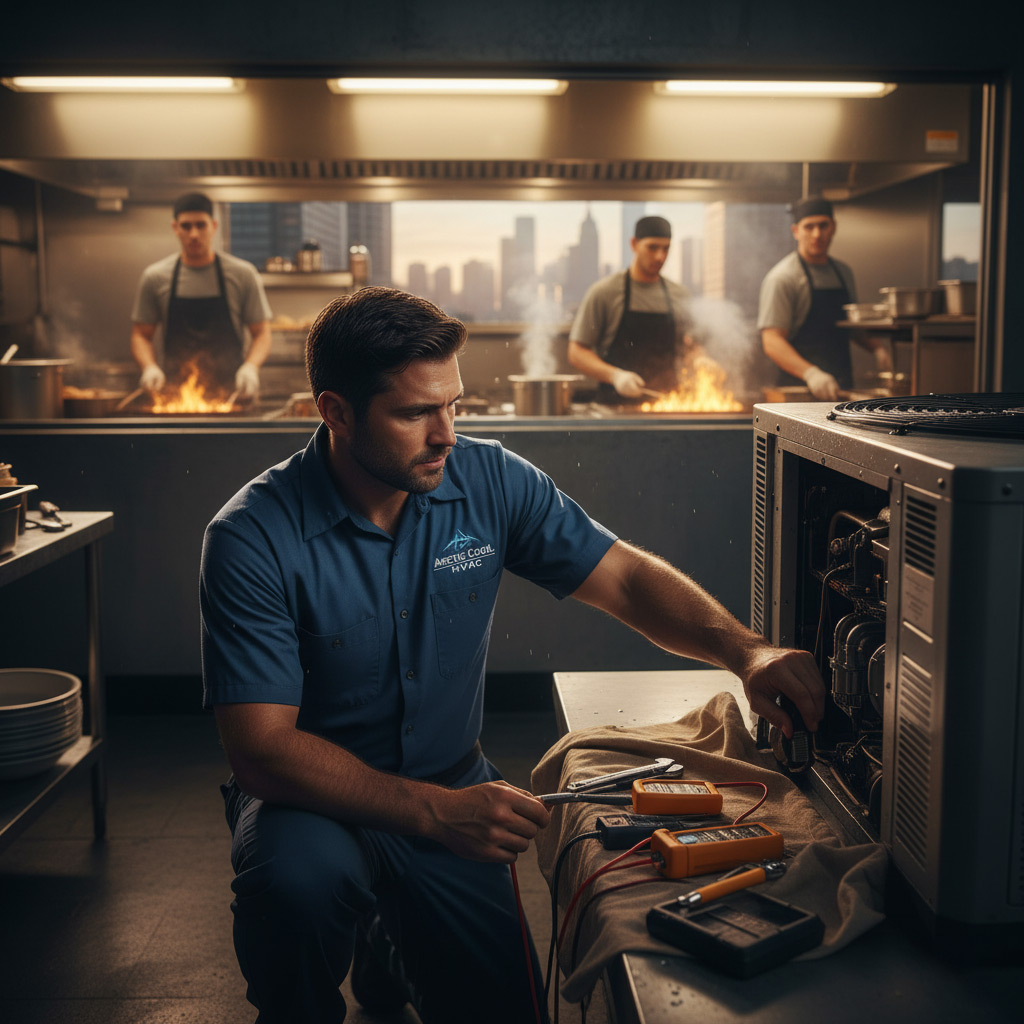
Imagine this: it's the absolute hottest day of the Irvine summer, or a sudden cold snap hits and your AC unit decides to take an unscheduled vacation. The kids are sweating, the elderly are suffering, and you’re left staring at a thermostat that’s as useful as a chocolate teapot.
That gut-wrenching feeling of being completely at the mercy of a broken HVAC system during extreme weather? Nobody wants that. Especially not when a few smart moves now can mean the difference between comfortable relief and a sweaty, miserable ordeal.
We all know Irvine can throw some serious weather our way, and when your heating or cooling system fails, it's not just an inconvenience. It’s an emergency waiting to happen. That’s why being prepared isn't just smart, it’s essential.
So, before the next heatwave or freeze hits, let's talk about how to get ahead of the game and keep your Irvine home truly comfortable, no matter what the thermometer is doing.
Regular Maintenance: Your First Line of Defense
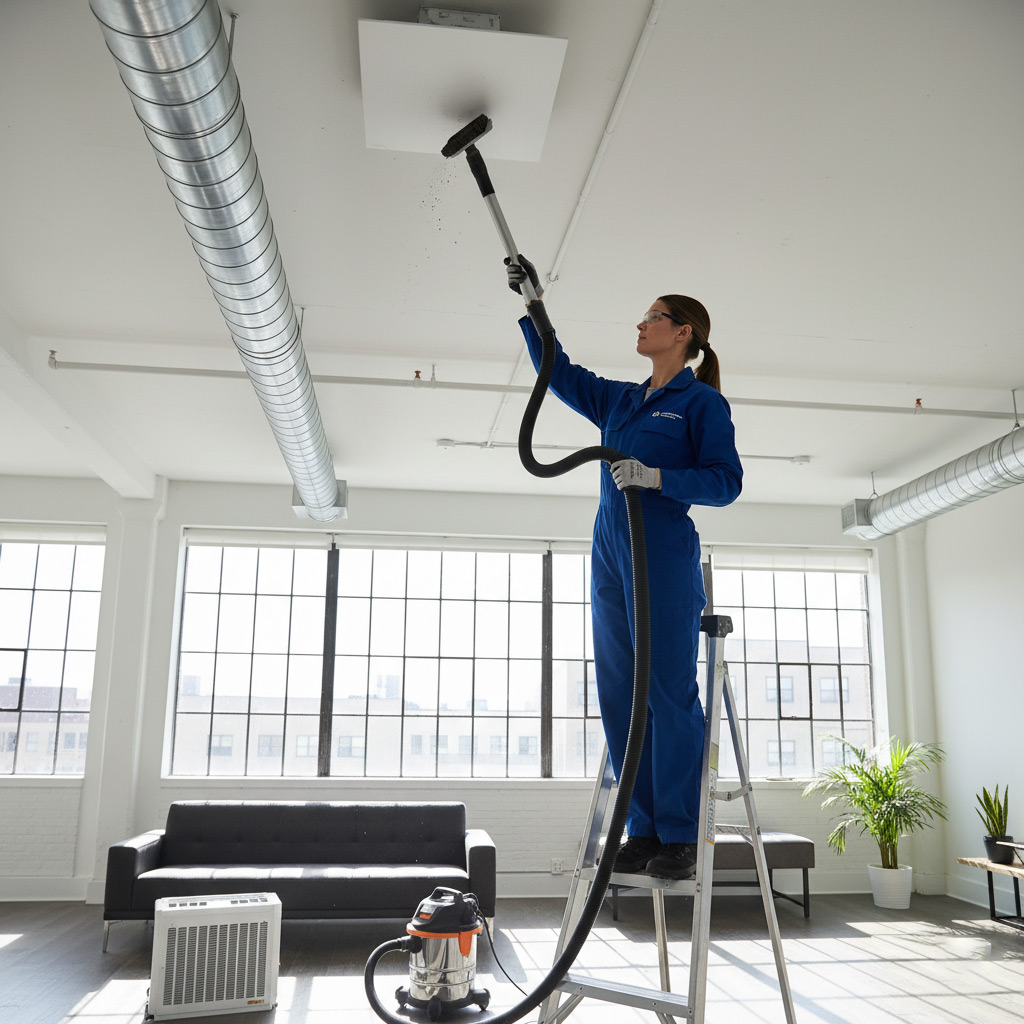
Think of your HVAC system like your car. You wouldn't skip oil changes and expect it to run perfectly on a cross-country trip, right? The same goes for your heating and cooling in Irvine. Regular check-ups from a trusted technician are absolutely crucial to catch small problems before they become major meltdowns. This isn't about spending money; it's about preventing costly emergencies down the road.
During these maintenance visits, a pro will:
- Clean and inspect your air filter.
- Check refrigerant levels.
- Inspect all electrical connections.
- Lubricate moving parts.
- Test your thermostat and controls.
These simple steps ensure your system runs at its peak and help identify potential issues, like a worn-out part or a slow leak, when they're still minor. Ignoring these tune-ups is like playing Russian roulette with your comfort.
Building Your HVAC Emergency Kit and Quick-Fix Troubleshooting Guide
When panic strikes and the AC is blowing hot air, the last thing you want to do is scramble for tools and phone numbers. An organized HVAC emergency kit is your first line of defense, designed not to fix massive failures, but to handle the common, irritating hiccups that stop systems dead. Think of it as a small investment that guarantees instant action, reducing technician time and potentially saving you hundreds in service calls.
Your kit should live near your main thermostat or utility closet, containing more than just tools. It needs critical reference material. Make sure you have these non-negotiable items ready to go:
Essential Kit Contents for Irvine Homeowners
- System Specifics: A laminated card with the make, model, and serial numbers of your outdoor condenser and indoor air handler. Technicians love this.
- Critical Contacts: Our 24/7 emergency service number, clearly labeled, along with the location of the main power shut-off switch for both the furnace and the AC unit.
- Tools for Diagnostics: A simple voltmeter (to check basic power), a few spare fuses specific to your air handler (usually in the disconnect box), and a small brush for cleaning debris off the outdoor unit.
Before you dial our emergency line, you need to execute the “Three Simple Checks.” Nine times out of ten, we discover the problem isn't a catastrophic failure—it's usually something simple that was overlooked. First, check your breaker box and reset any flipped switches; a system running hard often trips the circuit. Second, look at your air filter: a clogged filter is the single biggest cause of system overheating and shutdown, especially during peak Irvine summer heat.
Finally, confirm that your thermostat is set correctly. If you recently changed batteries or experienced a power flicker, sometimes the thermostat defaults to an incorrect mode or a temperature setting that confuses the system. If none of these quick fixes work, take a moment to look for error codes—many modern systems flash codes on the furnace or AC unit itself—and jot those numbers down. Providing us with this precise information makes our diagnosis faster, ensuring we bring the right parts the first time, which translates directly into less suffering and a lower bill for you.
First Aid for Your AC: Crucial Steps to Take Before Calling a Technician
Before you panic and dial our 24/7 emergency line, take a deep breath. A significant percentage of "emergencies" are actually quick fixes you can handle in under five minutes. You do not want to pay for a skilled technician’s trip just to flip a switch you missed. We call this the “Ounce of Prevention Triage.”
Your first task is to be a detective, starting with the power source. Go check your thermostat settings—is the battery dead, is it set to "Cool" and "Auto," and is the desired temperature actually lower than the current room temperature? If everything looks good there, head straight to your electrical panel.
The Power Check and Reset Routine
Air conditioning units draw massive power, especially on startup, and it is very common for them to trip a circuit breaker. Locate your main breaker box and see if the dedicated HVAC switch has flipped to the "Off" position or is hovering in the middle. Simply reset the breaker by firmly turning it off, and then back on. You should also check the safety shut-off switch near the outdoor condenser unit—it often looks like a regular light switch and sometimes gets accidentally turned off by gardeners or kids.
Once power is confirmed, the next biggest culprit is restricted airflow, which starves the system and forces it to shut down. This leads to system overload and potential freezing, particularly common during relentless Irvine heatwaves.
Diagnose the Airflow & Filtration Blockage
When the system cannot breathe, it struggles. A clogged filter is the single most common cause of poor performance and eventual failure. If you haven't changed your filter in 60 days, that’s your starting point.
Before calling for help, perform this essential airflow diagnosis:
- Inspect the Filter: Pull out your air filter. If it looks like a carpet, replace it immediately and try restarting the system after 15 minutes.
- Clear the Vents: Walk through your home and ensure every single return and supply vent is fully open and not obstructed by furniture, drapes, or toys.
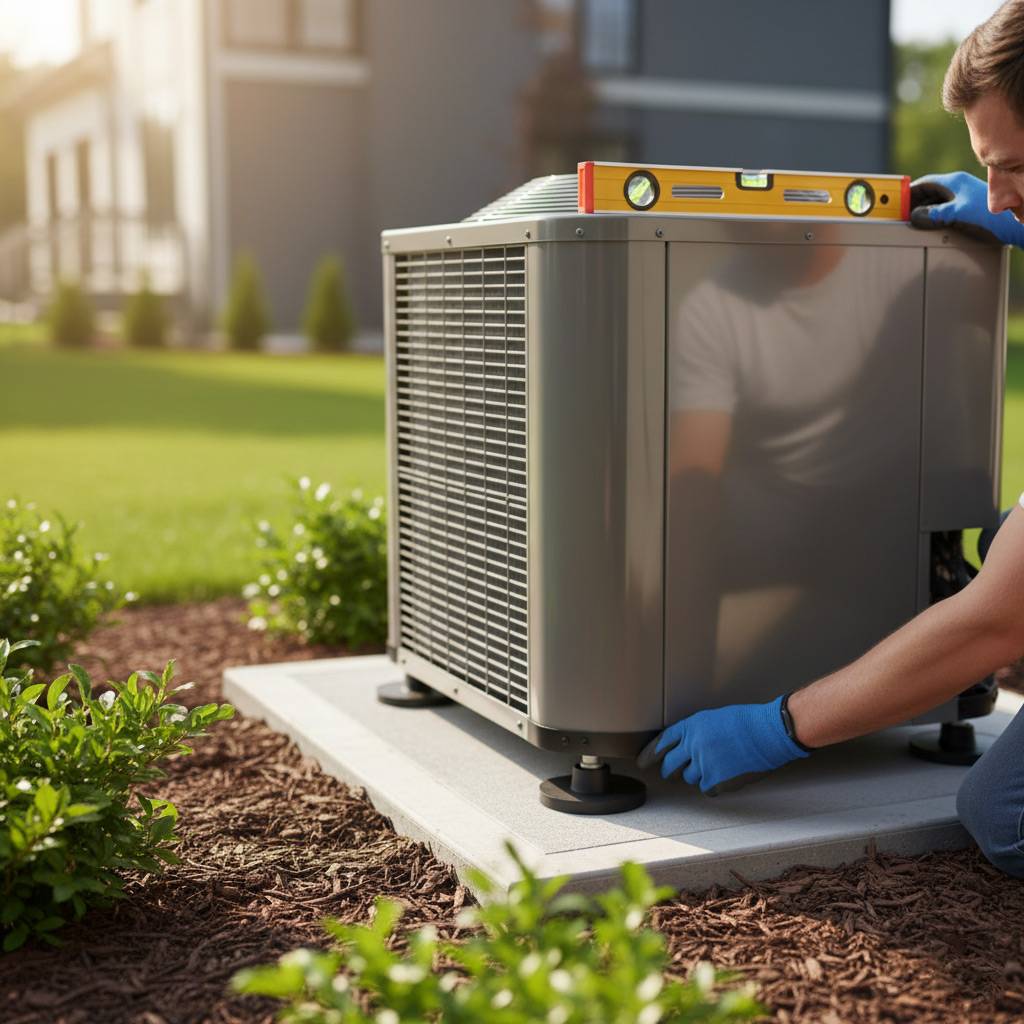
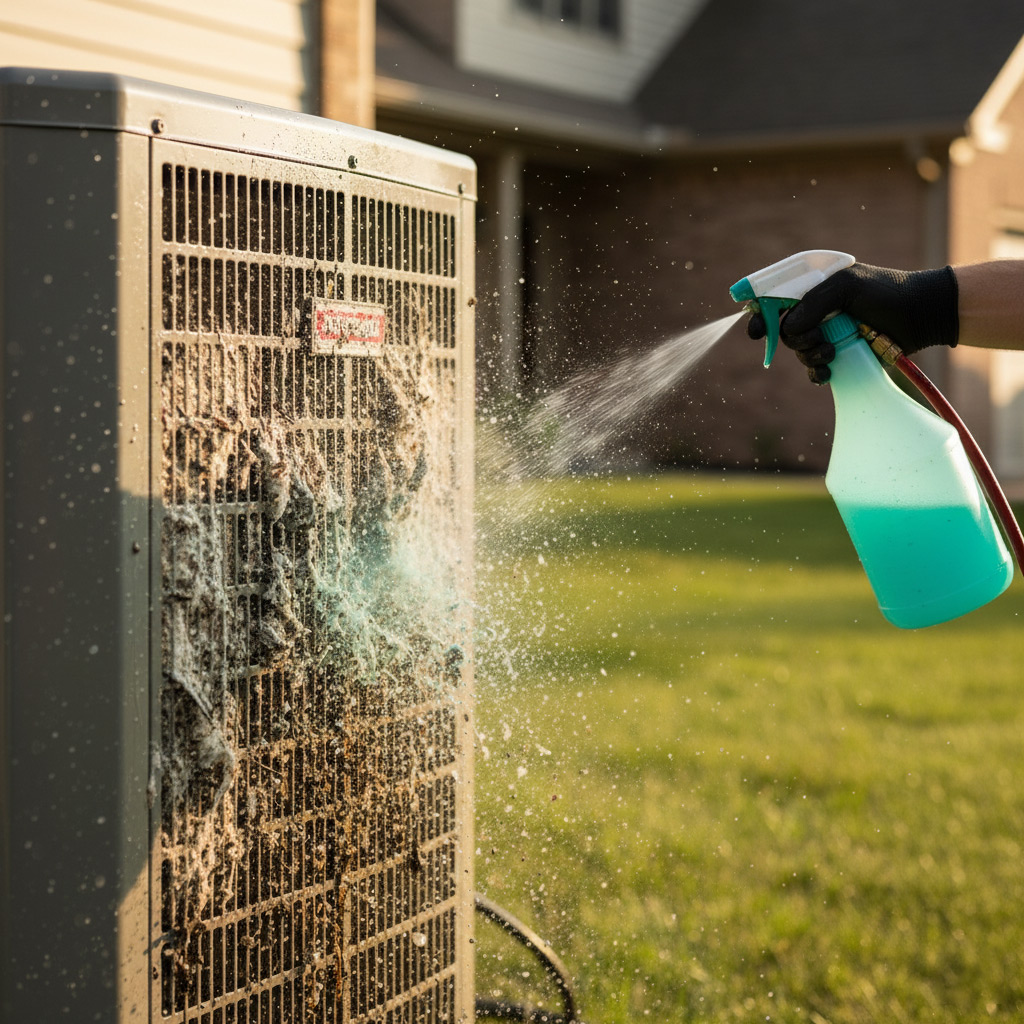
- Check the Outside Unit: Make sure the outdoor unit (the condenser) is free from debris like leaves, grass clippings, or overgrown landscaping. This unit needs several feet of clear space around it to dissipate heat properly. A dirty coil cannot shed heat, leading to critical failure.
If you've checked the power, reset the breaker, replaced the filter, and cleared all obstructions, and the unit still refuses to cool, then it is time to call in the professionals. You’ve eliminated the easy fixes and demonstrated that the issue is likely mechanical or refrigerant-related, requiring specialized expertise.
Understanding Irvine's Extreme Weather Risks and When HVAC Failure Becomes Critical
Irvine isn't just famous for great schools and planned communities; we also deal with brutal, unpredictable microclimates. When the Santa Ana winds rage or a sudden coastal inversion layer locks in humidity, your home environment rapidly shifts from pleasant to precarious.
For most of the year, a small breakdown is an inconvenience, but when the thermometer spikes above 95°F, your AC unit stops being a comfort mechanism and becomes a critical health defense system. Failure during these peak heat events guarantees not only misery but rapid physical distress, especially for pets, children, and the elderly.
The Critical Thresholds: Annoyance vs. Emergency
We need to define when a simple repair transforms into an immediate hazard. During a sustained heatwave, your system is under maximum stress, meaning failure is often catastrophic—not a slow decline. If your AC quits when outdoor temperatures exceed the high 80s, you typically have less than four hours before indoor temperatures make health issues, like heat stroke and dehydration, a very real possibility.
But emergency preparation isn't just about heat. While less frequent, Irvine’s cool, damp winters introduce different risks when the furnace fails. Sudden drops in indoor temperature put severe strain on vulnerable respiratory systems. More critically, persistent humidity issues from an unbalanced system are a hidden danger, leading to rapid structural deterioration and forcing expensive mold remediation long after the cold has passed. This is why immediate, expert repair is non-negotiable.
Have Your HVAC Company’s Contact Information Handy
This might sound ridiculously simple, but you'd be amazed how many people scramble for their HVAC contractor's number when their system quits. Don't be one of them. Make sure you have our name, Irvine Air Pros, and our phone number programmed into your mobile device. Save it under "Emergency AC/Heat" or something equally as obvious so you can find it in a panic.
Beyond just having the number, consider adding it to your refrigerator or a frequently visited spot in your home. A quick glance is all it takes, saving you precious minutes when the temperature is rising or plummeting. It’s the ultimate "set it and forget it" prep.
Think of it this way: when your car breaks down, you don't spend an hour searching for roadside assistance. You already have that number ready. The same principle applies to your home's comfort. This small step can significantly cut down your response time when you need us most.
Know Your System: The First Line of Defense
Look, most folks in Irvine treat their HVAC system like a magic box. It just…works. Until it doesn't. But here's a secret: understanding the basics of your own unit can save you a world of hassle. You don't need to be a certified technician, but knowing where your filter is, what your thermostat does (beyond setting the temperature!), and what kind of system you have can make a huge difference when trouble strikes.
Think about it. If you know your air filter needs changing every 1-3 months, and you *actually* do it, you're already preventing common breakdowns. A clogged filter chokes your system, making it work harder and leading to premature wear and tear. Plus, it's a super simple fix that can prevent a costly repair down the line. It’s like checking your car’s oil – a little preventative maintenance goes a *long* way.
So, grab your owner's manual (yes, they still exist!) or do a quick search for your specific model. Familiarize yourself with:
- The location and type of your air filter.
- How to safely turn your system off and on at the breaker.
- The basic functions of your thermostat, including any programming options.
This might seem elementary, but trust me, when it’s 100 degrees outside and your AC is sputtering, this knowledge becomes pure gold. It empowers you to take immediate, basic steps before even calling for help.
7. Know Your "Why" and "When": Understanding Common HVAC Failure Triggers
Listen, your HVAC system isn't some mystical box. It's a complex machine with moving parts, and like any machine, it has its breaking points. Understanding the common culprits behind sudden breakdowns means you can spot potential issues before they become a full-blown emergency, saving you from that sweaty, uncomfortable panic.
Many Irvine homeowners experience failures for similar reasons. It's not usually a random act of mechanical defiance. Often, it's a combination of wear and tear, lack of maintenance, or simply pushing the system beyond its limits. The good news? A lot of these are predictable, and even preventable. Think of it as knowing the warning signs before your car starts making a funny noise.
The Usual Suspects:
- Clogged Air Filters: This is the number one offender, hands down. A dirty filter chokes your system, making it work harder and harder. This isn't just about air quality; it's about preventing your fan motor from burning out and your coils from freezing up. We see this constantly in our HVAC Repair calls.
- Dirty Coils: Both your evaporator and condenser coils get dirty over time. When this gunk builds up, heat transfer suffers. Your AC can't effectively cool your home, leading to freezing or system shutdowns.
- Electrical Issues: Loose wiring, failing capacitors, or a fried thermostat can bring your entire system to a halt. These often happen without much warning, but regular check-ups can catch minor electrical problems before they cascade.
- Low Refrigerant Levels: A leak means your system is low on refrigerant. This severely impacts cooling performance and can damage the compressor, a very expensive part to replace.
- Frozen Evaporator Coils: This is a direct symptom of another issue, usually restricted airflow (see clogged filters!) or low refrigerant. Ice acts as an insulator, stopping cooling dead in its tracks.
Knowing these common triggers helps you pay attention to subtle changes in your system. Is your air flow weaker than usual? Are you hearing strange noises? These are clues that your HVAC might be trying to tell you something. Responding to these early signs can often mean a simpler, less expensive fix than a full emergency breakdown.
People Also Ask
What should I do if my AC breaks down in Irvine during a heatwave?
If your air conditioning fails during an Irvine heatwave, prioritize staying cool by seeking shaded areas or using fans. Contact an HVAC professional immediately to schedule emergency service.How often should I get my HVAC system inspected in Irvine to prevent emergencies?
It's recommended to have your HVAC system inspected at least once a year, ideally before the peak heating and cooling seasons. Regular maintenance helps catch potential issues before they become costly emergencies.What are the signs my HVAC system might be nearing an emergency breakdown?
Listen for unusual noises like grinding or rattling, notice inconsistent temperatures throughout your home, or smell strange odors. A sudden increase in your energy bills can also indicate an impending system failure.What is the typical cost of an emergency HVAC repair in Irvine?
Emergency HVAC repair costs in Irvine can vary significantly based on the time of day, the complexity of the issue, and the parts needed. It's always best to get a quote from your HVAC service provider before authorizing repairs.
Irvine HVAC brings years of experience and specialized expertise to serving the Irvine, CA community. They are dedicated to providing reliable, high-quality HVAC solutions tailored to the unique needs of local homeowners and businesses. With a deep understanding of Irvine's climate, Irvine HVAC ensures optimal comfort and efficiency for every client.
Need HVAC?
We facilitate swift outcomes and efficient project completion for clients throughout Irvine and surrounding communities (92602, 92612, 92618, 92780, 92660).
Instant Quote